Booklet Labels: The Smart Solution for Pharmaceutical Packaging
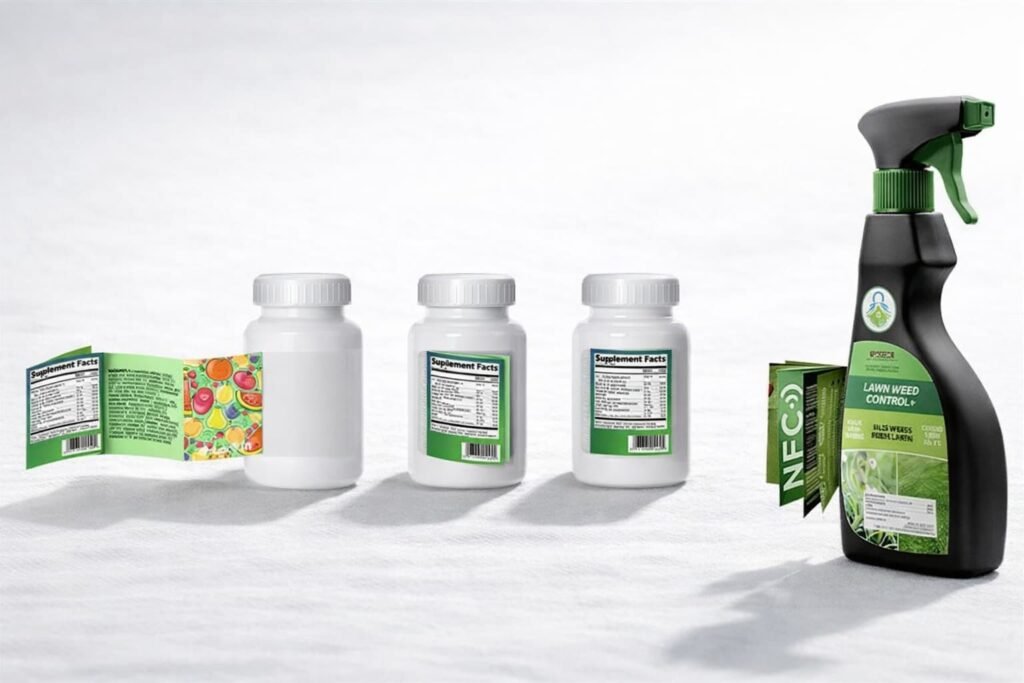
In today’s pharmaceutical industry, packaging is not just about appearance—it’s about compliance, clarity, and patient safety. With strict global regulations and the need for multilingual instructions, traditional labels often fall short.
That’s where booklet labels come in.
🔍 What Are Booklet Labels?
Booklet labels (also known as extended content labels) are multi-page labels attached directly to product packaging, allowing brands to include a large amount of information in a compact space.
Unlike standard labels, booklet labels function like a mini booklet, offering multiple pages that can be opened, read, and resealed.
They are widely used in:
- Pharmaceutical products
- Clinical trials
- Healthcare packaging
- Chemicals and regulated industries
💊 Why Booklet Labels Are Essential in Pharma
Pharmaceutical companies operate under strict regulatory frameworks that require detailed product information.
Booklet labels solve this challenge by enabling:
- Multilingual instructions for global distribution
- Dosage, safety, and storage guidelines
- Regulatory compliance without overcrowding packaging
In fact, they allow manufacturers to include all required information directly on the product, eliminating the need for separate leaflets.
⚙️ Key Features of Booklet Labels
1. Multi-Page Design
Booklet labels can include multiple pages (even 50+ panels), providing enough space for detailed information.
2. Resealable & Durable
They can be opened and closed multiple times without damage, ensuring long-term usability.
3. Customizable Format
- Size and shape can be tailored
- Works on bottles, vials, syringes, and cartons
- Supports various materials like paper or film
4. Compatible with Automation
Booklet labels can be applied using standard labeling machines, making them production-friendly.
🚀 Benefits of Using Booklet Labels
1. Maximum Information in Minimal Space
Perfect for small packaging where space is limited but information is critical.
2. Regulatory Compliance Made Easy
Helps meet global standards by including all necessary instructions and warnings.
3. Cost-Effective Packaging
Eliminates the need for separate inserts or leaflets, reducing overall packaging costs.
4. Enhanced Patient Safety
Clear and accessible instructions reduce misuse and improve treatment outcomes.
5. Ideal for Global Distribution
Single label can serve multiple regions with different language requirements.
🧪 Applications in the Pharmaceutical Industry
Booklet labels are widely used across various pharma packaging formats:
- Vials and ampoules
- Syringes and injectables
- Blister packs
- Bottles and containers
- Clinical trial kits
They are especially important in clinical trials, where detailed instructions and tracking information must be included.
⚠️ Challenges of Booklet Labels
While highly effective, booklet labels come with a few considerations:
- Slightly higher production complexity
- Thicker than standard labels
- Requires precise design and printing technology
However, the benefits far outweigh these limitations—especially in regulated industries.
🔮 Future of Booklet Labels
With advancements in packaging technology, booklet labels are evolving to include:
- QR codes and digital integration
- Smart labeling solutions
- Interactive patient information systems
These innovations will further enhance compliance, accessibility, and user experience.
🏁 Conclusion
Booklet labels are no longer just an option—they are a necessity in modern pharmaceutical packaging.
They combine:
- Compliance
- Convenience
- Cost-efficiency
- Patient safety
If your product requires detailed information, global reach, and regulatory accuracy, booklet labels are the perfect solution.